
Trauma and Psychological Effects on the children of war and how to work with it
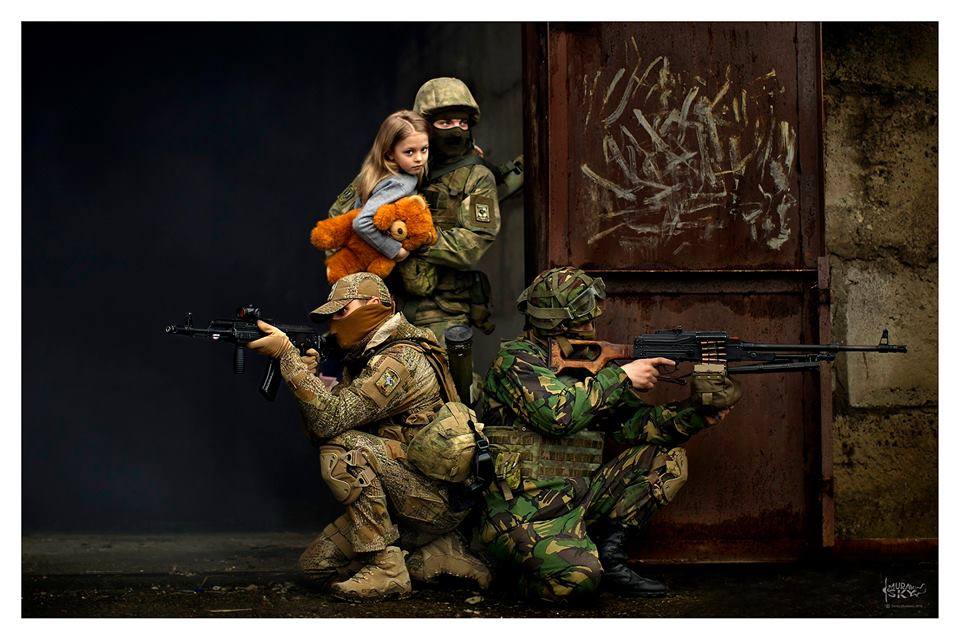
It is indeed a sobering reality that the ongoing war in Ukraine has had a profound impact on the lives of children. The war has exposed them to experiences and circumstances that no child should have to endure. Ukrainian children in 2023 continue to face numerous challenges, and they do need the attention and help of adults, as well as dedicated support from various stakeholders, for several reasons:
- Trauma and Psychological Effects: Many Ukrainian children have been exposed to the traumatic events of war, including violence, displacement, and the loss of loved ones. These experiences can have lasting psychological and emotional effects on children. They may suffer from anxiety, depression, post-traumatic stress, and other mental health issues.
- Displacement and Instability: The conflict has forced many families to flee their homes, leading to internal displacement and an uncertain future. Displaced children may face issues related to housing, education, and access to basic services.
- Education Disruption: The war has disrupted the education of many Ukrainian children. Schools have been damaged or closed, and the quality of education has been affected. This can have long-term consequences on their academic and social development.
- Physical Health: The conflict has had implications for the physical health of children due to the destruction of healthcare infrastructure and the lack of access to medical care. Malnutrition and other health issues may also be prevalent in certain areas.
- Economic Hardship: Families affected by the conflict may struggle economically, and children may face poverty and deprivation. This can lead to food insecurity, inadequate housing, and limited access to essential resources.
- Social Support: Children need a supportive and nurturing environment to grow and develop. The war has disrupted the social fabric of communities, and children may lack the support networks they need.
- Normalization of Violence: Children growing up in conflict zones may be exposed to violence as a part of daily life. This can desensitize them to violence, impacting their perceptions of conflict resolution and social behavior.
- Child Protection: Protecting children from recruitment by armed groups and other forms of exploitation is a significant concern. Providing a safe environment for children is a critical responsibility for adults and authorities.
- Access to Mental Health Services: Adequate mental health support and counseling services are essential for children who have experienced trauma. Many children may require professional help to address the psychological impact of the conflict.
- We are grateful for this photo and the one on the cover of the article
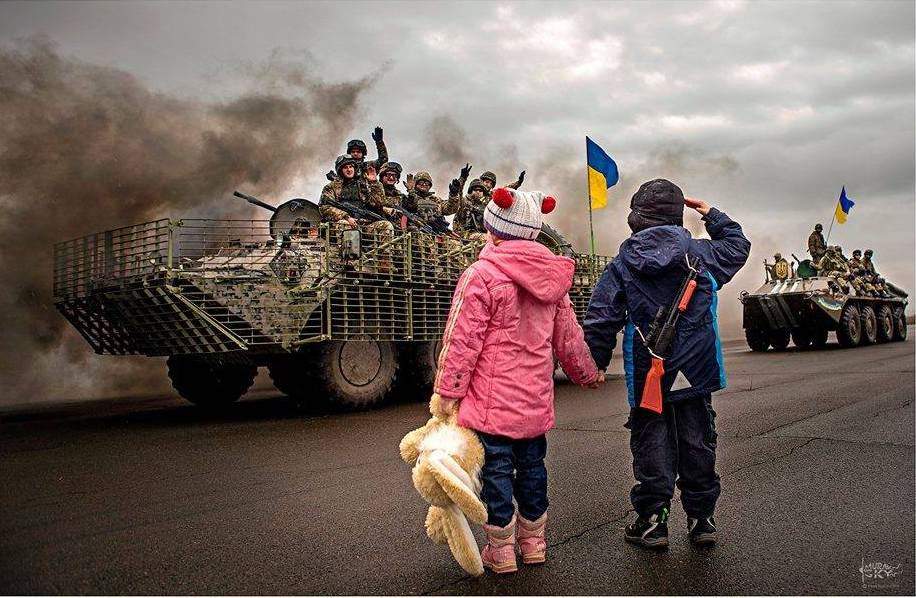 Cover of the article and this particular photo is made by Ukrainian photographer Dmytro Muravskyi
Mama Jane charity Foundation believes that pottery can be a valuable tool for psychological rehabilitation, including for traumatized children. Creating and working with pottery can offer various therapeutic benefits that can help children cope with and recover from trauma. Here are some ways in which pottery can be used for psychological rehabilitation in children:
- Expression of Emotions: Pottery provides a non-verbal means for children to express their emotions and experiences. Through the shaping of clay, children can convey their feelings and experiences in a safe and creative way.
- Stress Reduction: Working with clay and engaging in the tactile experience of pottery can be calming and stress-reducing. It can help children relax and alleviate anxiety, which is especially important for those who have experienced trauma.
- Mindfulness and Focus: Pottery requires concentration and focus on the task at hand. This can help children practice mindfulness and stay in the present moment, reducing rumination on traumatic memories.
- Sense of Achievement: Completing a pottery project can give children a sense of accomplishment and boost their self-esteem. This can be especially important for children who may have experienced feelings of powerlessness due to trauma.
- Self-Expression: Pottery allows for a unique form of self-expression. Children can create pieces that reflect their personality, thoughts, and feelings, helping them gain a sense of identity and self-awareness.
- Catharsis: The physical act of molding and shaping clay can be cathartic. It can release pent-up emotions and provide a healthy outlet for processing traumatic experiences.
- Social Interaction: Pottery classes or workshops can also promote social interaction and a sense of belonging. Interacting with peers in a creative setting can be therapeutic and help in building positive relationships.
- Structured Activity: Pottery provides structure and routine, which can be comforting for children who have experienced trauma. Having a regular schedule and goals in pottery classes can help establish a sense of security.
- Narrative Therapy: Pottery can be incorporated into narrative therapy, where children use their creations to tell their stories and explore their experiences in a symbolic way.
- Artistic Growth: For some children, pottery can be a gateway to discovering their artistic abilities and passions, which can be a source of long-term enjoyment and personal growth.
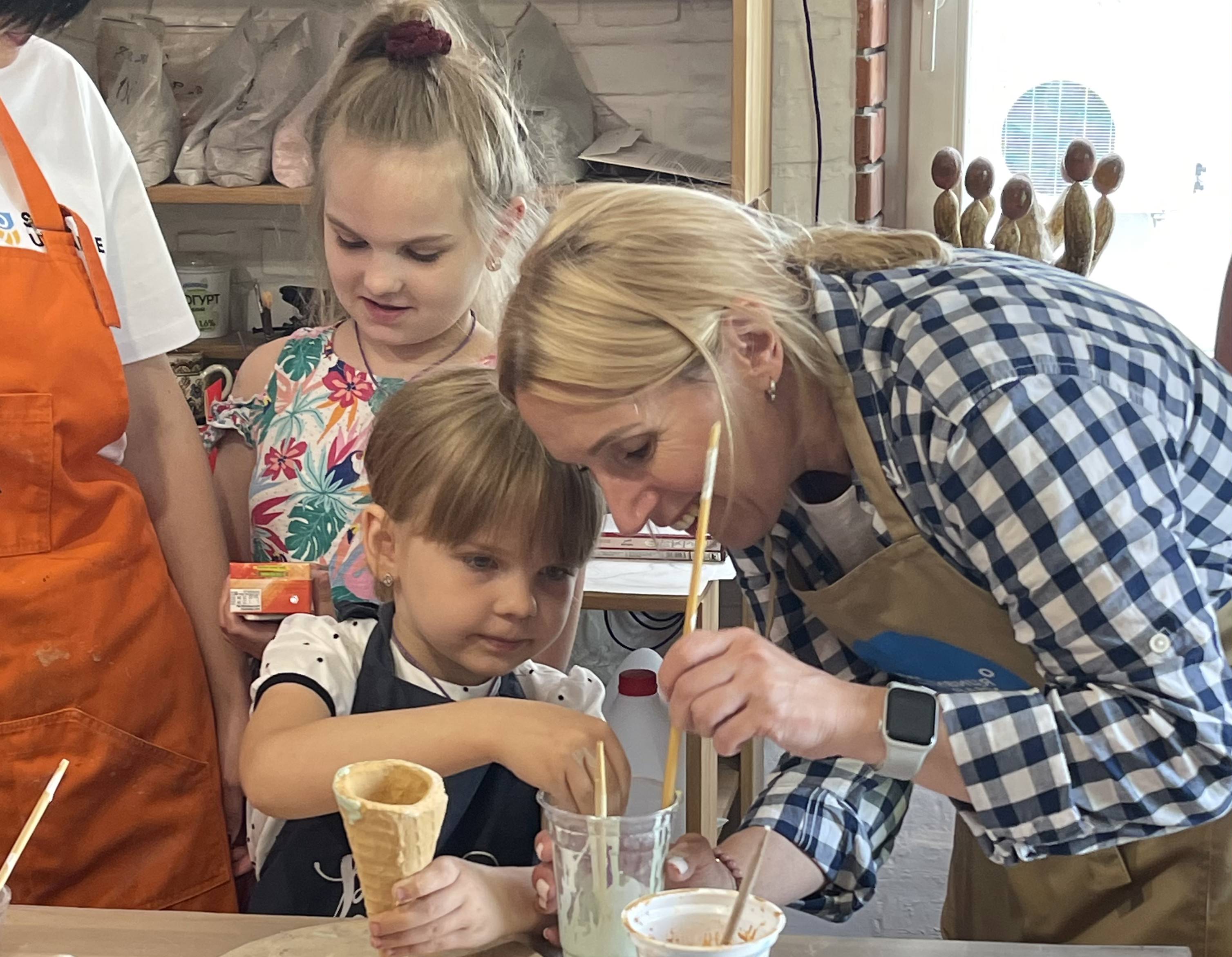
In the photo, the process of a pottery workshop organized by the Charity Foundation "Mama Jane" together with the foundation "Save Ukraine" at the art space "Notka".
If you are an entrepreneur and can support the psychological rehabilitation program called "I'M OK" initiated by the Mama Jane Charitable Foundation in the form of gifts, providing locations for 14 weeks camps for the group of 20+ children around the world or financially, please write to us at help@mamajane.com.ua
It is imperative for adults, including parents, caregivers, teachers, and the wider community, to prioritize the well-being and psychological health of Ukrainian children. International organizations, NGOs, and governments also play a crucial role in providing support, resources, and mental health services to help these children heal and rebuild their lives.
The impact of the conflict on Ukrainian children should not be underestimated, and concerted efforts are needed to ensure that they receive the care and support necessary to recover and thrive despite the adversity they have faced.
